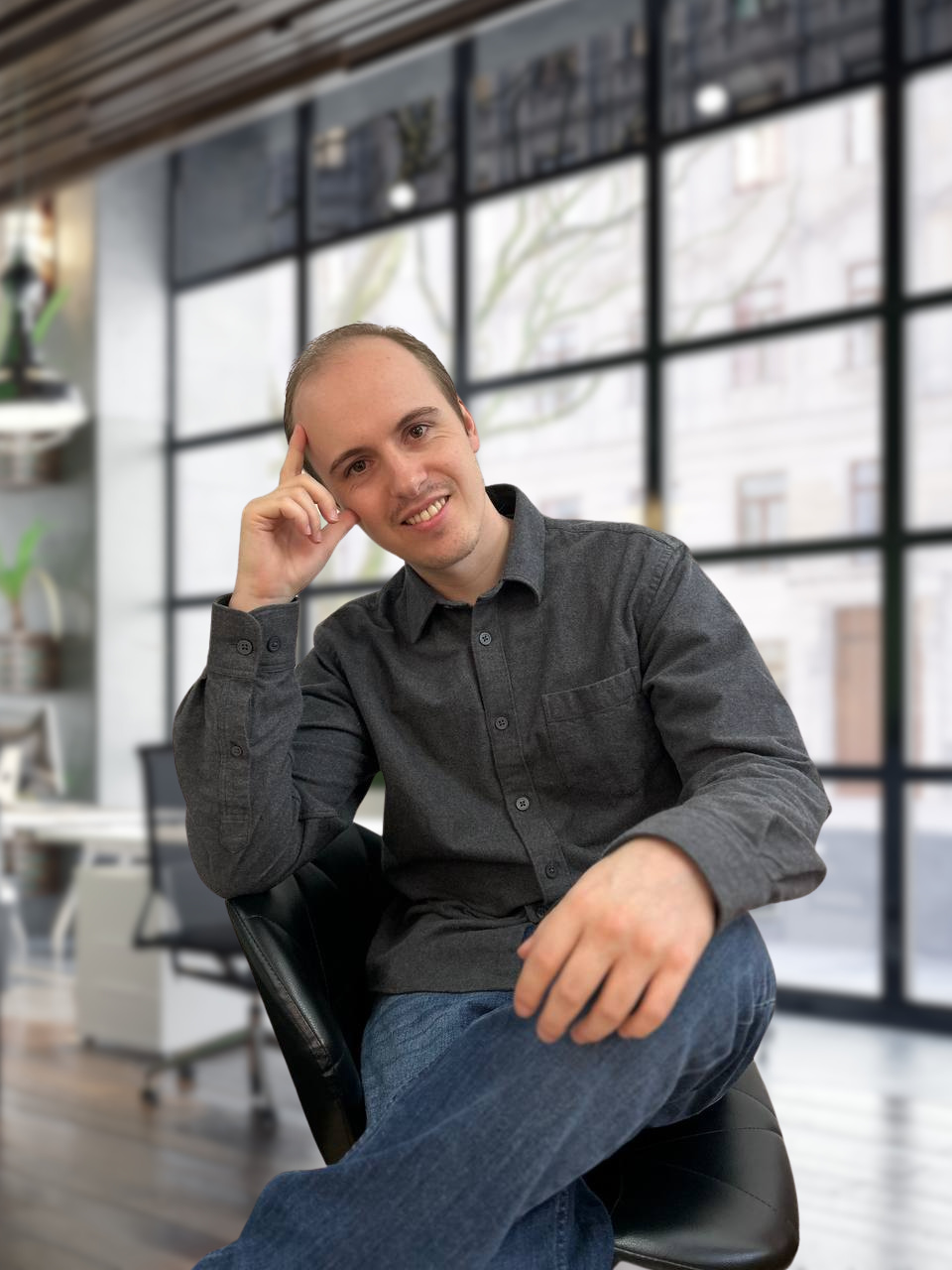
PressConf is a small conference by design. Fewer than a hundred people, single track, no competing sessions pulling you in different directions. The attendees are mostly founders and executives from across the WordPress ecosystem, which makes for a very different energy than something like WordCamp US. Less noise, more actual conversation.
I left with a few things on my mind.
The uncertainty is real, but so is the optimism
There’s no pretending the WordPress space isn’t in a strange moment right now. The Automattic / WP Engine situation cast a long shadow over the past year, and the broader software market is dealing with its own turbulence. You could feel some of that at PressConf.
But the mood wasn’t gloomy. Most people I spoke with were genuinely excited about what comes next. The uncertainty felt more like the discomfort of a market reconfiguring itself than the dread of a market dying. There’s a difference, and I think it matters.
The platform isn’t the point
The clearest theme that kept surfacing in conversations and from the stage: WordPress companies need to stop defining themselves as WordPress companies.
That sounds counterintuitive at first. But the argument is straightforward. If your positioning is “we make WordPress plugins,” you’ve tied your identity and your customers’ trust to a platform you don’t control. If your positioning is “we help online businesses collect payments without losing customers at checkout,” the platform becomes an implementation detail.
This reframing matters a lot for marketing. I’ve written before about why WordPress product marketers need to center messaging around outcomes, not features, and this is the same idea applied at the company level. Solve real problems. The platform follows.
AI is everywhere, and it’s complicated
The AI conversation was unavoidable, as you’d expect at any 2026 tech conference.
The excitement is genuine. People see what’s possible with AI-assisted development, content, support, and operations. But there’s a real anxiety running underneath it: AI is collapsing competitive moats. Things that used to take months to build now take days. Differentiation that lived in technical complexity is getting harder to protect. That’s a real and uncomfortable shift for a lot of software businesses.
The response I heard from most of the leaders in the room was to lean into it rather than resist it. The phrase that came up repeatedly was AI-first: not bolting AI onto existing workflows, but restructuring the whole operation around it. Rethinking how teams work, what they prioritize, and how fast they move.
I’m genuinely aligned with this, and it’s how I approach marketing. AI isn’t a tool I reach for occasionally; it’s baked into how I plan, research, write, and analyze. The productivity difference is significant. I’ve written about how generative AI is already transforming content creation at scale, and the pace of that change has only accelerated. Companies that treat AI as a feature rather than a foundation are going to feel that gap grow over the next few years.
One concrete example from my own work: setting up Claude Code as part of a marketing workflow has changed what’s possible week to week. It’s not just about being faster. It’s about the kind of work you can actually take on.
The conversations were the best part
As with most small conferences, the hallway track was where the real value was. I had conversations about pricing strategy, AI tooling, community building, and what the next few years look like for independent software businesses.
If you’re a founder or operator in the WordPress space and you haven’t been to PressConf, it’s worth a look. It’s the kind of room where you leave with things to actually think about. What are you doing to move your positioning away from “WordPress [thing]” and toward the problem you actually solve?